The Best Time to Visit Sri Lanka: Decoding the Monsoons

Amelia Rose
Travel Writer
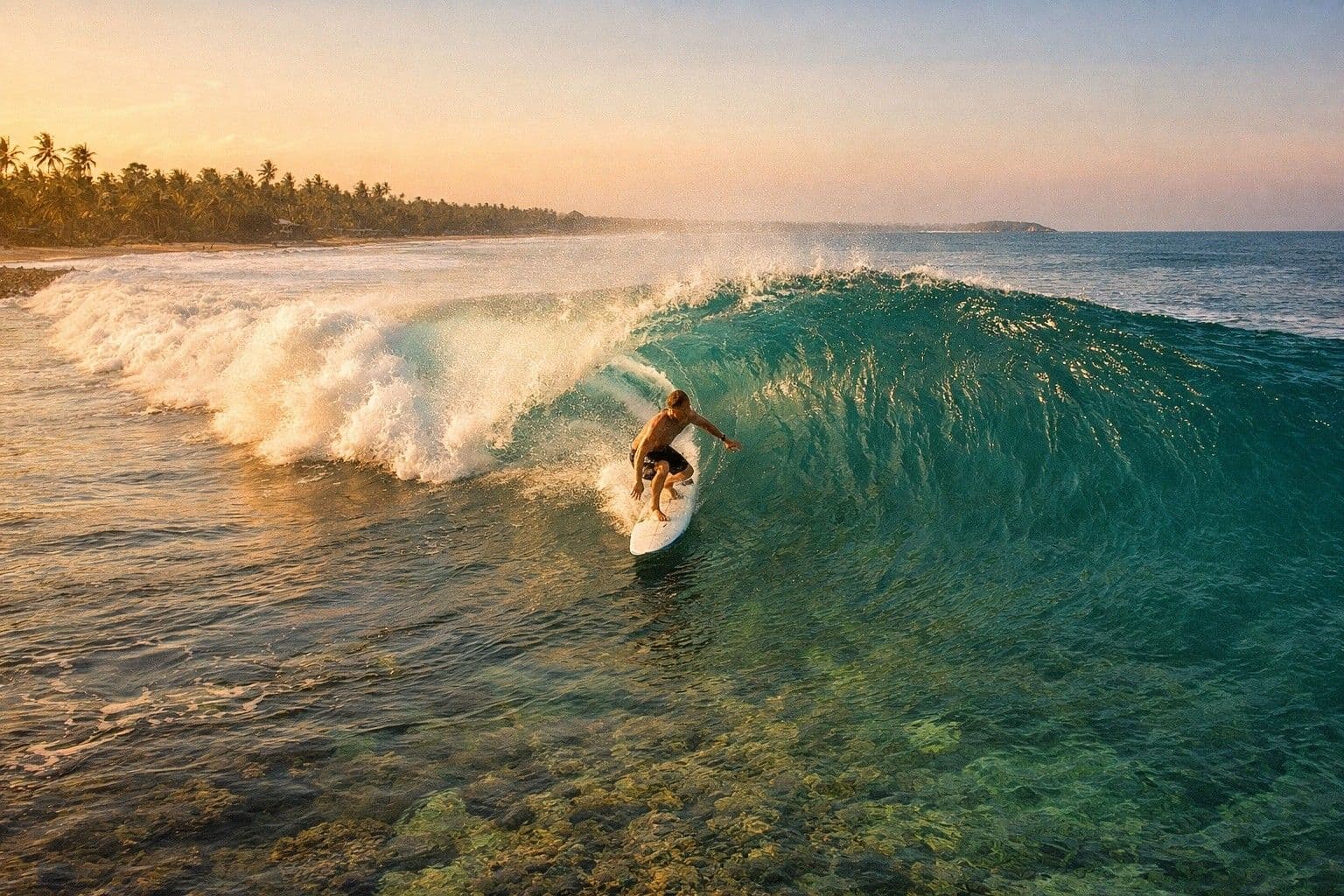
One of the most common questions travelers ask is, "When is the best time to go to Sri Lanka?" Because the teardrop island is located near the equator, the temperature stays consistently warm year-round. However, the weather is governed by a uniquely complex, dual monsoon system.
If you want to experience perfect beach days on the south coast or capture crisp, mist-free mornings for your travel photography in the Hill Country, understanding Sri Lanka weather by month is essential.
Here is your ultimate guide to decoding the monsoon season in Sri Lanka so you can plan the perfect trip.
Understanding the Dual Monsoons
Sri Lanka experiences two separate monsoon seasons that hit different sides of the island at different times of the year. This is actually fantastic news for travelers: it means there is always a dry, sunny coast waiting for you somewhere on the island!
- The Yala Monsoon (South-West): Brings rain to the southern and western coastal areas, as well as the Hill Country, from May to September.
- The Maha Monsoon (North-East): Brings rain to the eastern and northern regions from October to January.
When to Visit the South & West Coasts (and the Hill Country)
Best Months: December to April
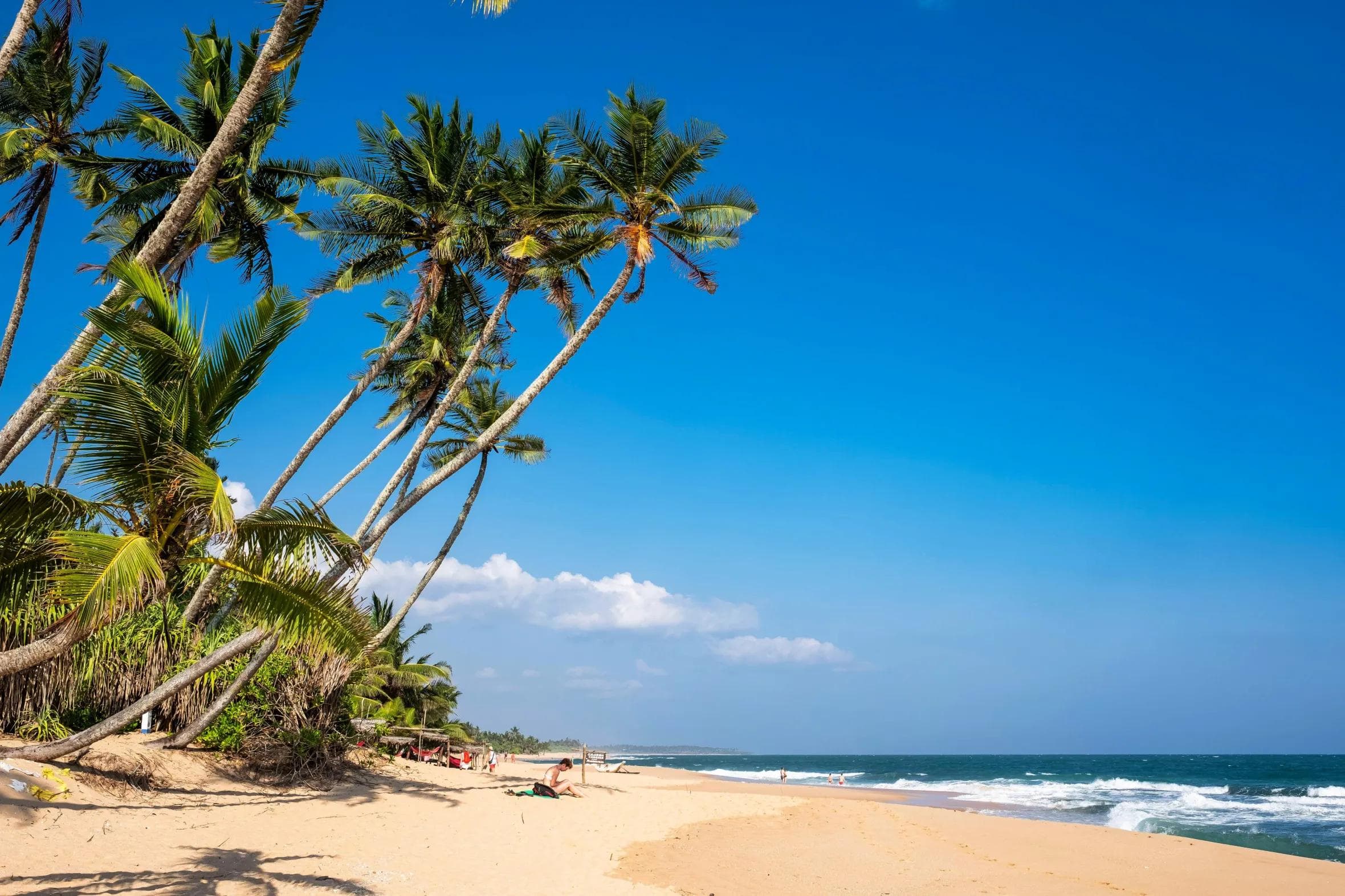
If you are looking for the absolute best time to visit the south coast (places like Galle, Mirissa, Weligama, and Unawatuna), the northern hemisphere's winter is your prime window.
- The Vibe: The ocean is calm, flat, and perfectly turquoise. The skies are generally cloudless, making it the ideal time for coastal photography, swimming, and snorkeling.
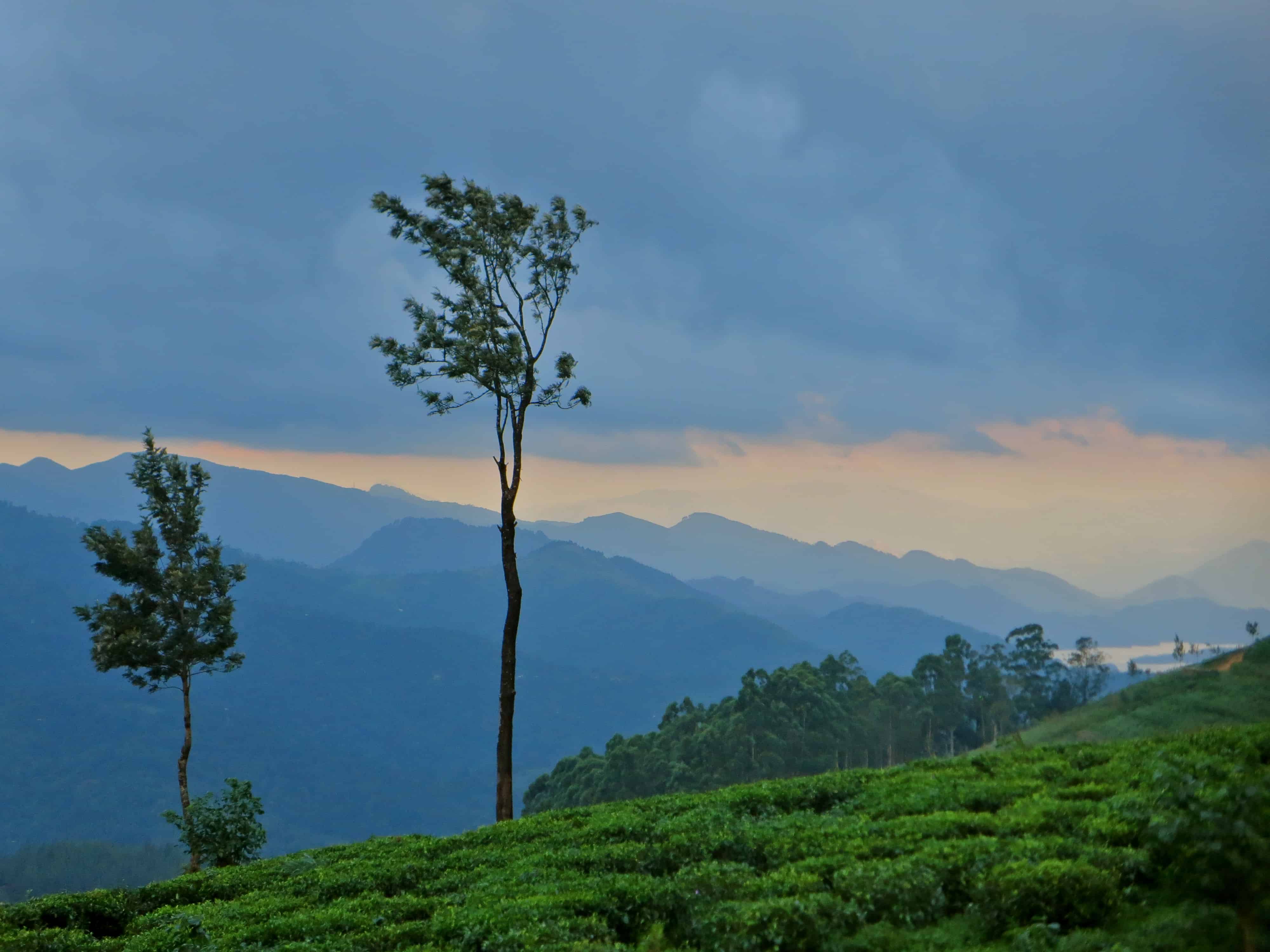
- The Hill Country: This is also the best time to take the famous train ride to Ella or Nuwara Eliya. The skies clear up, offering expansive, breathtaking views of the tea terraces without the heavy afternoon downpours that can obscure the valleys.
When to Visit the North & East Coasts
Best Months: May to September
While the south is getting battered by rain and rough seas, the East Coast transforms into a sun-drenched paradise.
- The Vibe: The east coast is slightly more rustic and less developed than the south. This is the time to visit places like Trincomalee for whale watching, Passekudah for calm luxury resorts, and Arugam Bay for world-class surfing.
- The North: This is also the perfect window to explore the unique culture, temples, and incredible food of the Jaffna peninsula in the far north.
The Inter-Monsoon "Shoulder" Seasons
October & November
These months are the transition periods between the two main monsoons.
- What to Expect: The weather can be highly unpredictable across the entire island during this time. You will likely experience hot, humid mornings followed by sudden, dramatic afternoon thunderstorms.
- The Silver Lining: If you don't mind dodging a few showers, this is a great time to score discounted hotel rates and enjoy the major tourist sites with a fraction of the usual crowds.
Enjoyed this story? Share it
About the Author
Amelia Rose
A passionate heritage explorer and travel storyteller dedicated to uncovering the sacred history, world-class surf breaks, palm-fringed beaches, and the vibrant coastal culture of Sri Lanka — the Pearl of the Indian Ocean.